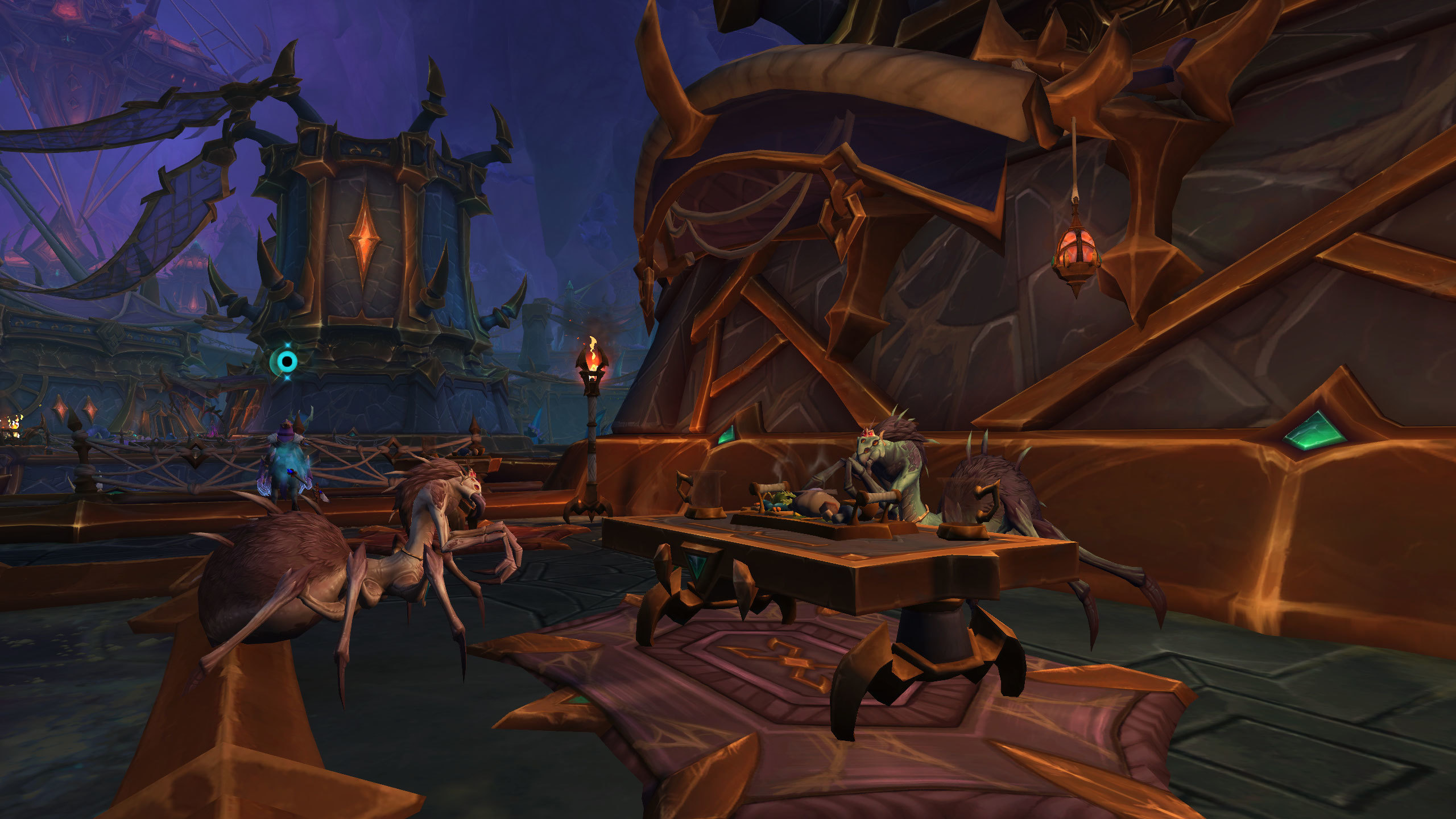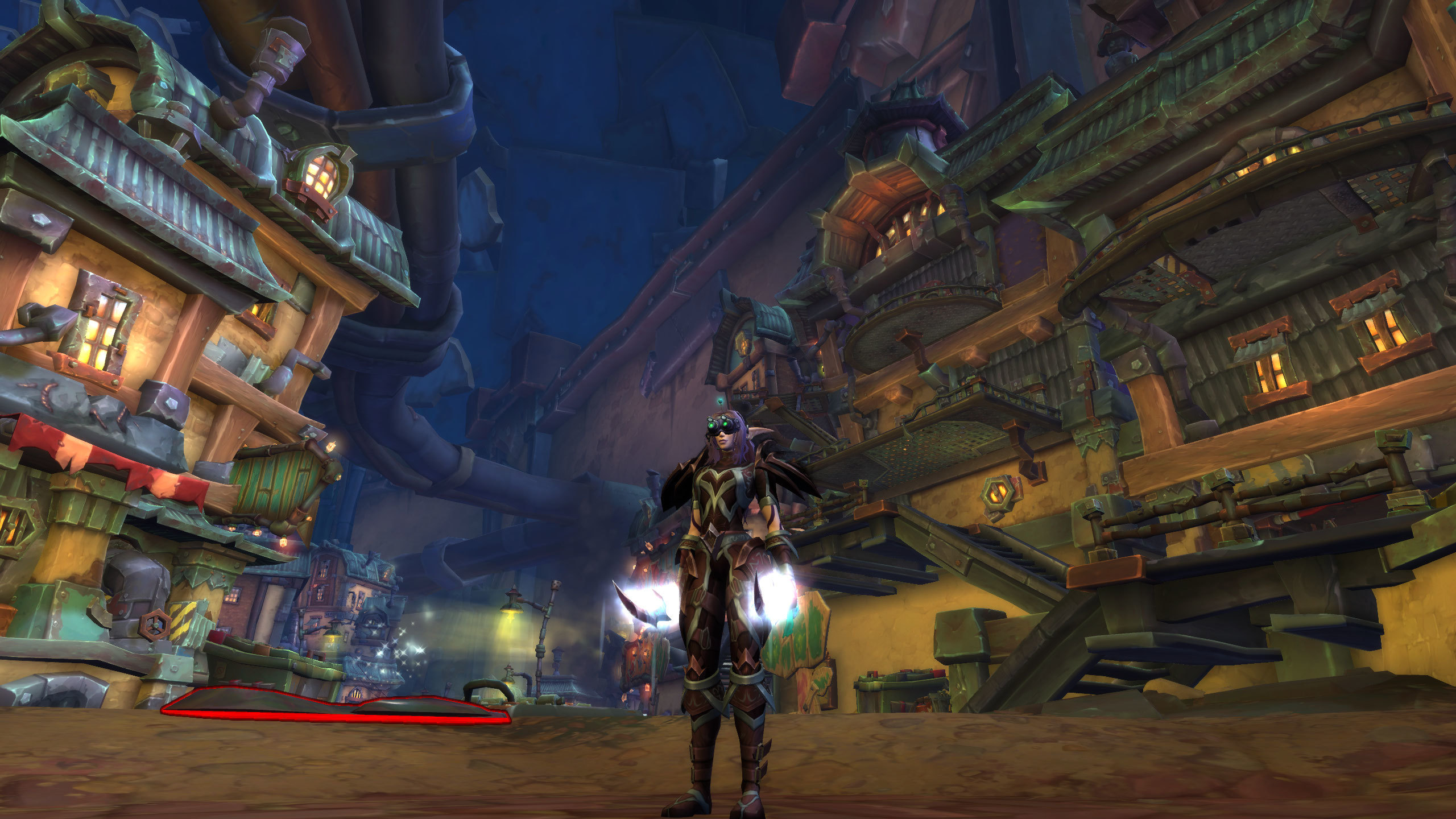

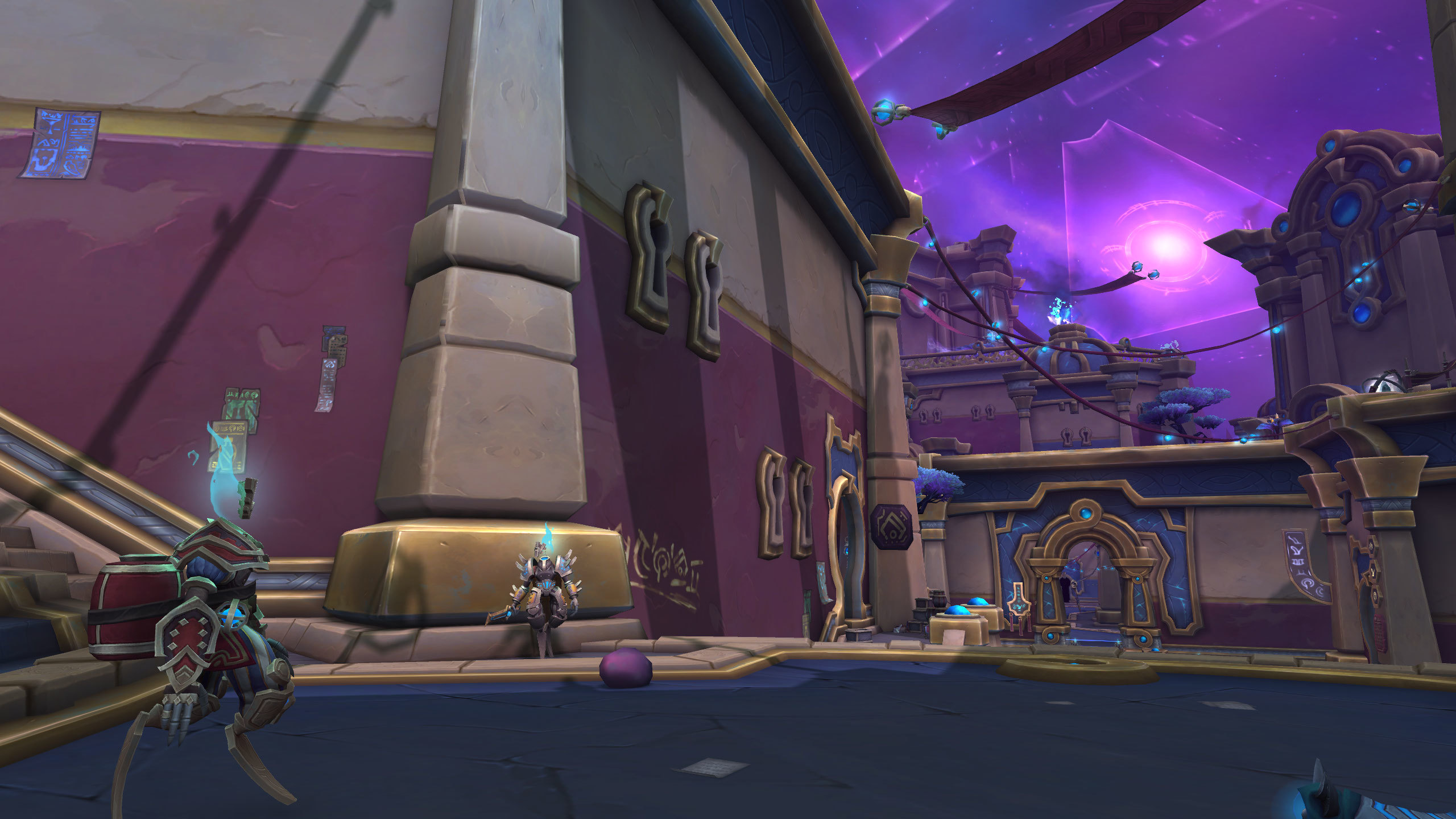
While many MMOs rely on dialogue and cutscenes to convey their stories, World of Warcraft continues to master the art of environmental storytelling—the ability to tell powerful narratives through landscapes, architecture, and ambient detail. Every ruined tower, abandoned campfire, and weathered banner speaks silently of battles fought, civilizations lost, and heroes forgotten.
This article explores how Blizzard has maintained its dominance in environmental storytelling, creating a world that doesn’t just tell stories—it remembers them.
The Power of Visual Memory
When players step into Azeroth, they aren’t greeted by walls of text—they’re surrounded by living history. The bones scattered across Desolace hint at forgotten wars. The fading glow of ancient runes in Ulduar suggests long-dead gods. Blizzard’s artists build stories into every texture and shadow, allowing players to learn without being told.
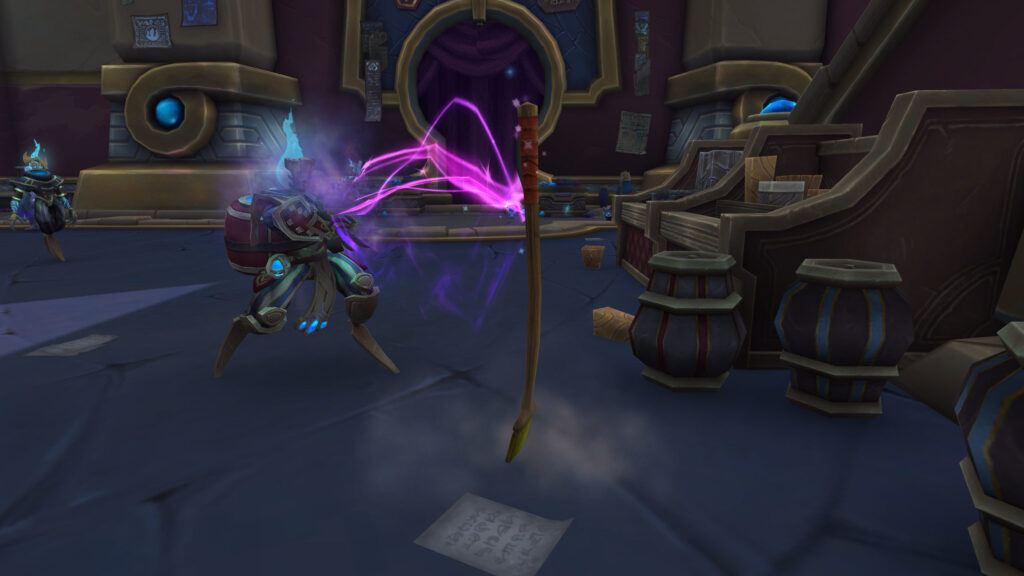
This design philosophy rewards curiosity. Players who take time to explore see stories unfold organically, transforming the act of wandering into discovery itself.
How Environments Speak Without Words
Environmental storytelling relies on subtle cues: broken weapons embedded in the ground, burned-down villages, or untouched altars deep in forgotten forests. Each tells a silent tale of conflict, tragedy, or faith. Blizzard’s ability to layer emotion through design makes zones feel alive, even when no NPCs remain.
Take Westfall—once a land of golden wheat, now a symbol of decay and class struggle. Without a single quest dialogue, players understand its story through color, silence, and ruin.
Zones as Living Archives
Every zone in Azeroth acts as a historical record. From Stratholme’s burning streets to the shattered spires of Suramar, environments serve as museums of past events. These scars remain long after players move on, grounding the world in permanence.

Unlike other MMOs that reset landscapes after expansions, WoW lets its wounds heal slowly—keeping the sense of continuity that gives Azeroth its depth.
Blending Gameplay With Storytelling
Environmental storytelling isn’t just visual—it’s mechanical. Quests often guide players through storytelling spaces: chasing ghosts through ruins, uncovering relics, or defending a town scarred by history. These design choices merge gameplay with narrative immersion.
Even small interactions—like reading an old journal in a dungeon or seeing footprints in the snow—create emotional engagement without exposition.
- Ruins and relics: Represent civilizations lost to time.
- Lighting and color: Signal emotional tone and moral ambiguity.
- Music and ambience: Amplify atmosphere through subtle cues.
- Environmental decay: Serves as history’s echo.
The Technology of Storytelling
Blizzard’s world design tools have evolved dramatically. Advanced lighting engines, terrain layering, and weather systems allow zones to express emotion dynamically. The shift from static landscapes in Classic to evolving environments in The War Within demonstrates how technology amplifies storytelling rather than replacing it.
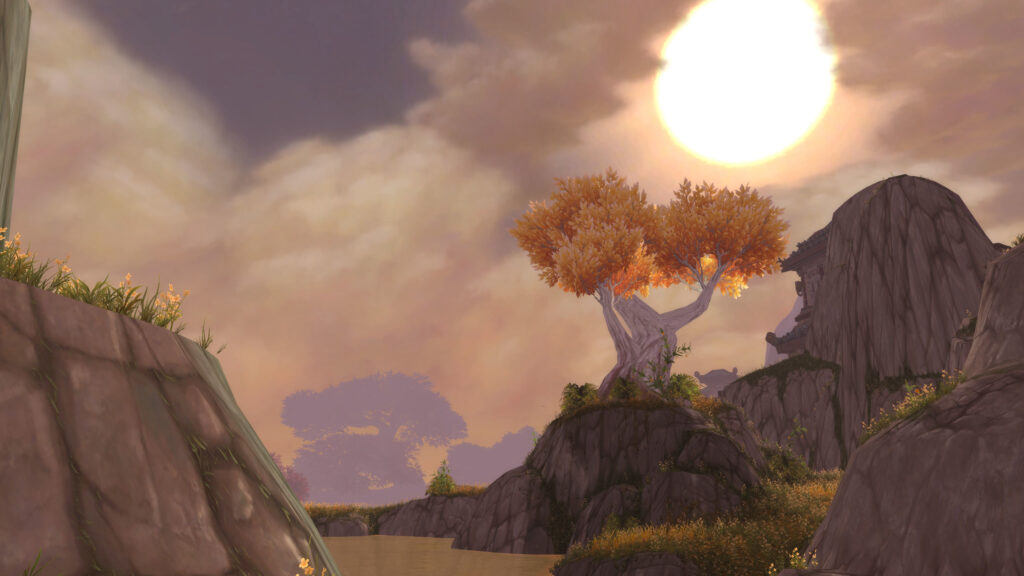
Storms now roll in during narrative moments, shadows stretch differently by time of day, and sound design reacts to movement—every pixel whispering a story.
Comparing WoW to Other MMOs
While modern games like Final Fantasy XIV or Guild Wars 2 excel in cinematic storytelling, WoW’s strength lies in restraint. Its world tells stories through absence and implication, inviting players to imagine rather than observe. The lack of explicit narration gives each discovery personal meaning.
It’s this sense of participation—of piecing together the narrative through exploration—that keeps players emotionally tied to Azeroth even decades later.
Conclusion
Environmental storytelling remains Azeroth’s greatest strength. Through visual poetry, persistent history, and subtle world design, Blizzard turns silence into narrative. Every ruined monument, storm-swept plain, and glowing rune serves a purpose—to remind players that this world has lived, lost, and endured.
In a genre full of dialogue boxes and cutscenes, WoW’s landscapes still say more than words ever could.