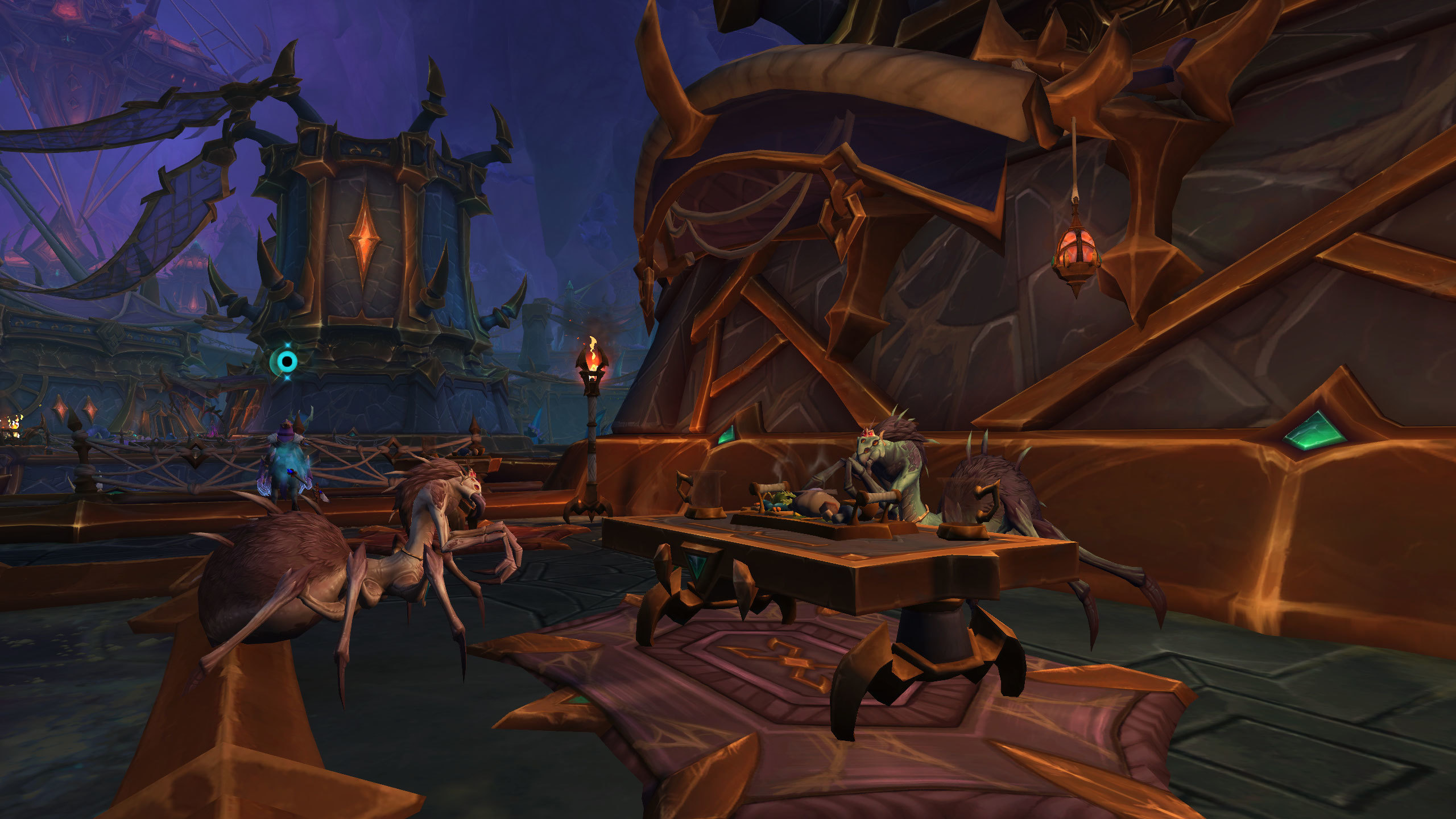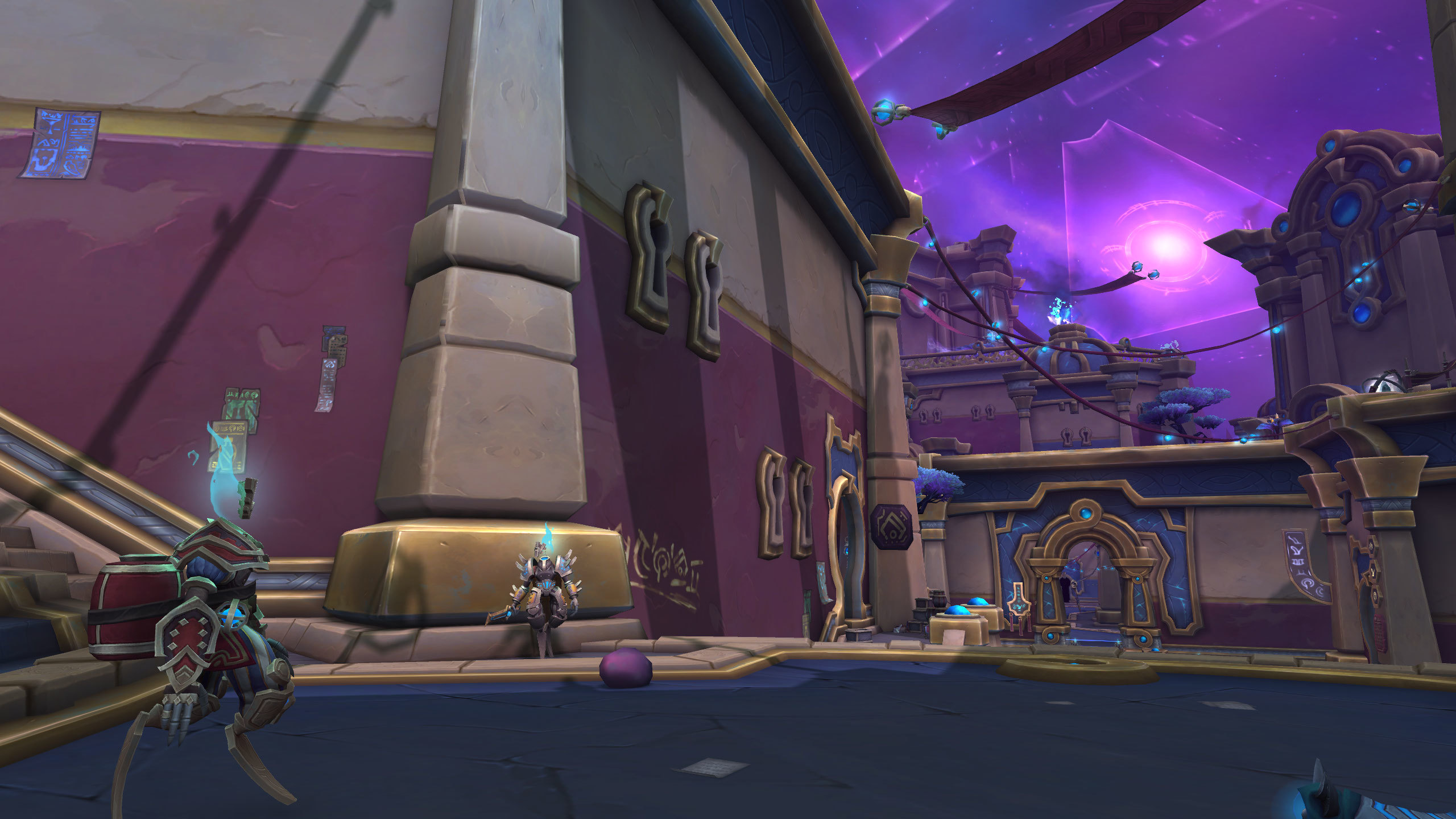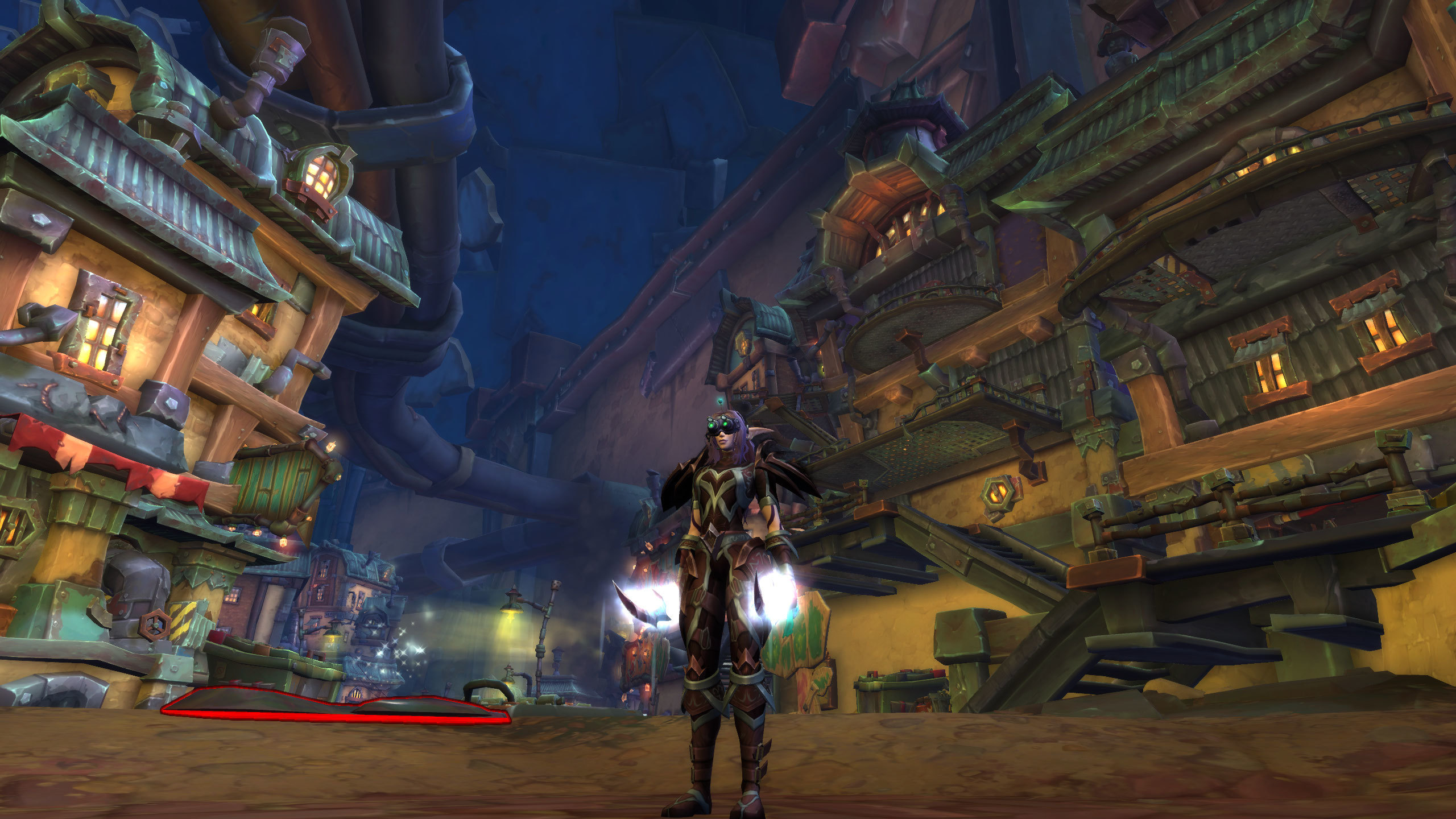

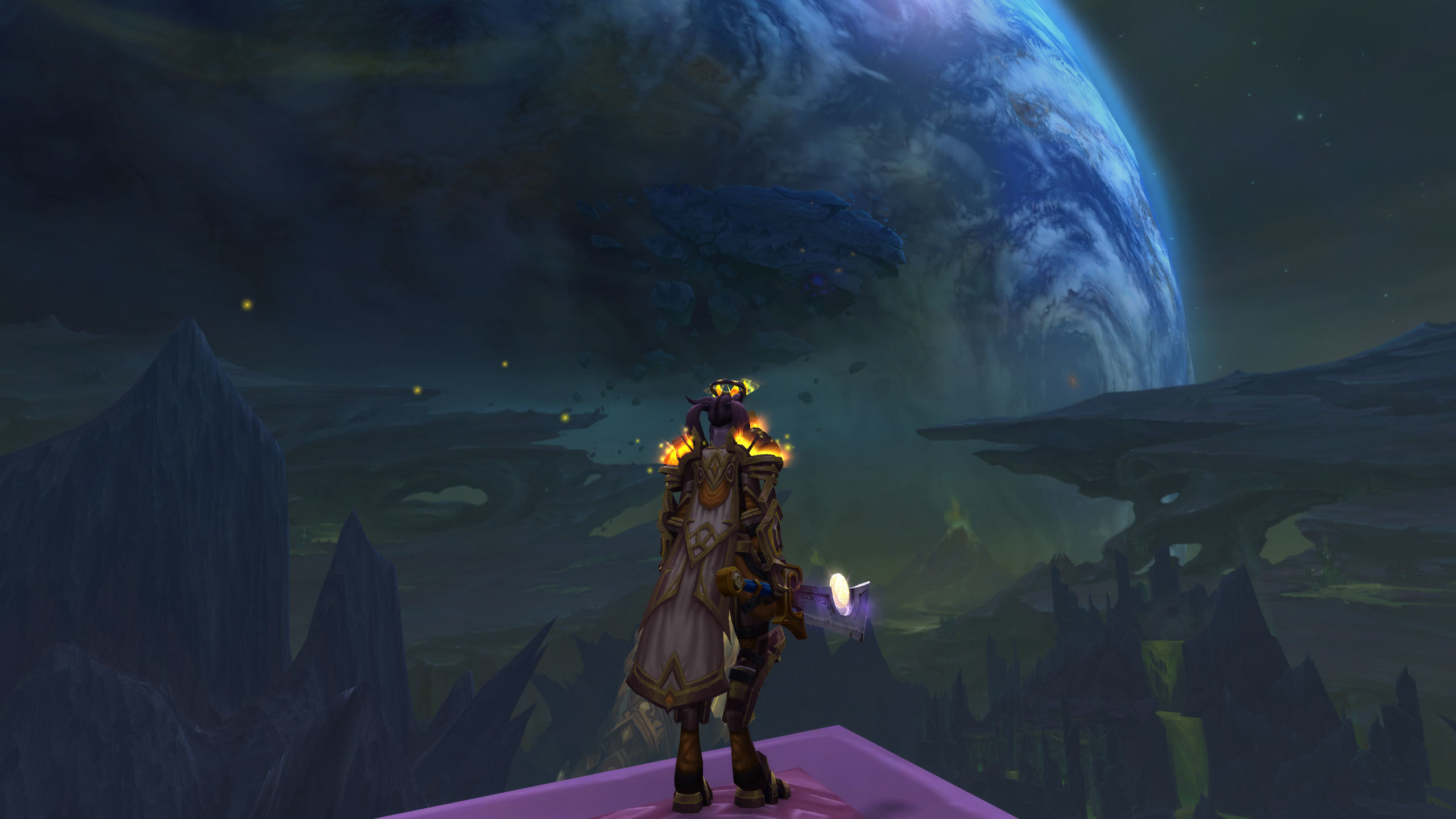
From early sketches on fan forums to digital masterpieces shared across social media, World of Warcraft fan art has evolved into one of the game’s most powerful cultural movements. It transcends official design, allowing players to interpret Azeroth through their own artistic vision. This grassroots creativity not only celebrates the game—it continuously reshapes how the community sees it.
This article explores how fan artists became cultural architects of Warcraft, influencing aesthetics, identity, and even Blizzard’s official art direction over the years.
The Origins of Fan Art in the Early Days
When WoW launched in 2004, fan art was one of the earliest ways players expressed their connection to Azeroth. Sketches of favorite races, character portraits, and comic strips flooded message boards and the official forums. These early works weren’t just drawings—they were extensions of immersion, a way for players to live their stories beyond the screen.
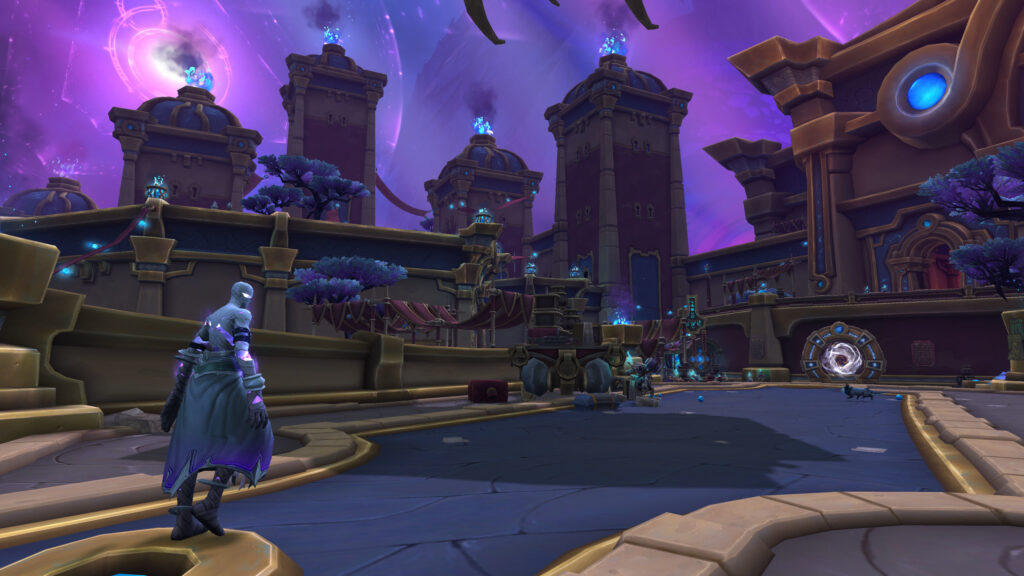
As the community grew, so did the quality. Amateur artists became professionals, some even joining Blizzard’s own art teams—a testament to the game’s lasting creative influence.
Art as a Language of Emotion
Fan art communicates emotion in ways screenshots never could. Through color, expression, and composition, artists capture feelings like nostalgia, triumph, or loss. A painting of a lone Paladin kneeling before the ruins of Lordaeron tells a story deeper than any quest text.
These emotional connections are what keep fan art timeless. Each piece preserves a fragment of how Azeroth made someone feel at a specific moment in their life.
Community Platforms and the Explosion of Creativity
As digital tools evolved, so did exposure. Platforms like DeviantArt, Reddit, and Twitter created new stages for artists to share and collaborate. Fan-made illustrations, 3D models, and animation projects turned community art into a thriving global ecosystem.
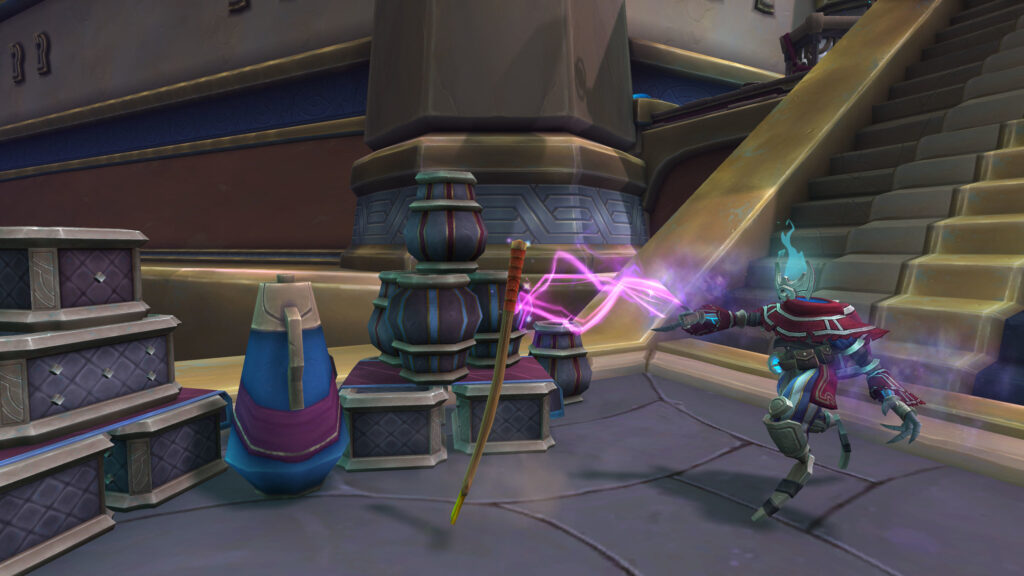
Events such as BlizzCon’s Art Contest and fan exhibitions transformed art into competition and celebration. Artists gained recognition not just as fans, but as contributors to the legacy of Warcraft’s imagery.
- DeviantArt: Birthplace of early fan communities
- Reddit: Hub for collaborative storytelling and critique
- Twitter/X: Amplifies visibility and Blizzard engagement
- ArtStation: Platform for professional Warcraft reinterpretations
Blizzard’s Relationship With Fan Artists
Unlike many studios, Blizzard has long embraced fan creativity. Developers frequently share and celebrate community artwork, sometimes even incorporating fan concepts into official media. This open dialogue has blurred the line between creator and fan, creating a collaborative ecosystem of inspiration.
Examples include fan-designed transmog concepts, class banners, and even armor redesigns that inspired cosmetic sets years later.
Fan Art as Cultural Record
Fan art documents the emotional history of WoW’s community. Every expansion leaves a distinct aesthetic fingerprint reflected in art styles—Burning Crusade’s mystical tones, Wrath’s melancholy blues, and Dragonflight’s radiant skies. These pieces form a visual archive of how players experienced each era’s themes and emotions.
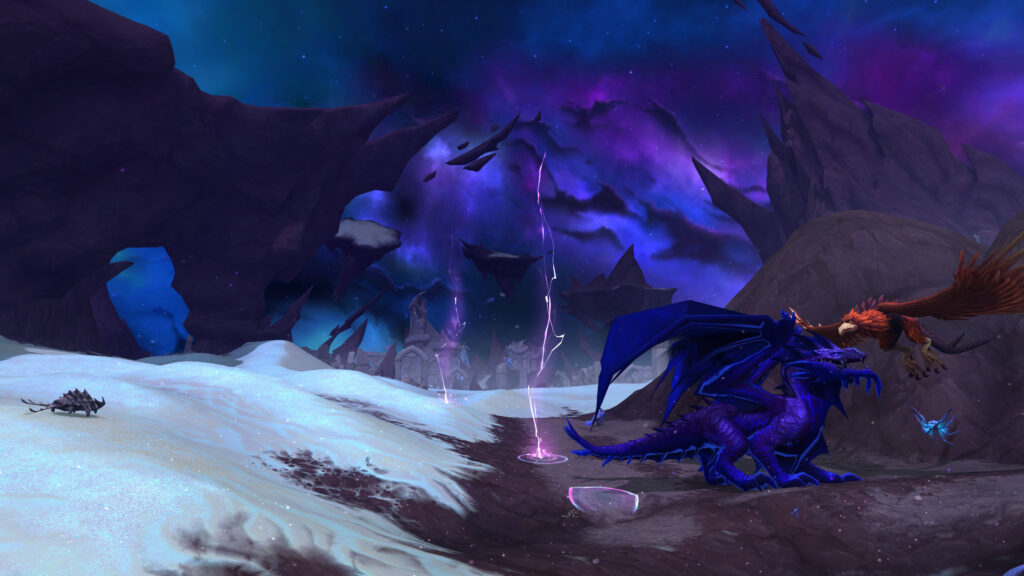
Even as expansions change, the underlying message remains: Azeroth belongs to everyone who loves it enough to recreate it.
The Future of Warcraft Fan Art
With the rise of digital tools, AI-assisted art, and 3D printing, the next generation of fan creators will blur boundaries even further. Player-crafted models, custom statues, and virtual galleries will redefine how WoW’s world is celebrated and remembered.
Fan art isn’t a side hobby anymore—it’s a living, breathing testament to the game’s cultural depth and emotional resonance.
Conclusion
For two decades, fan art has been Warcraft’s emotional mirror. It speaks the language of devotion, imagination, and shared memory. Through brush strokes and pixels, players don’t just depict Azeroth—they expand it. Each piece proves that WoW isn’t just a game crafted by developers; it’s a world continually painted by its fans.
And as long as artists keep creating, Azeroth’s story will never truly end—it will just find new colors.