
The Auction House in World of Warcraft is more than a marketplace—it’s a functioning micro-economy that mirrors real-world economic principles. From supply and demand to speculation and inflation, the system reflects human behavior in its purest form: trade, greed, and the pursuit of profit.
This article explores how WoW’s economy models real-world finance, why it thrives on unpredictability, and what it reveals about human psychology in virtual environments.
The Origins of Azeroth’s Marketplace
Introduced in Classic WoW, the Auction House gave players a centralized system to buy and sell goods. Over time, it evolved into a cornerstone of player interaction. Like any real economy, it depends on trust, opportunity, and timing. Prices fluctuate daily, driven by scarcity and demand.
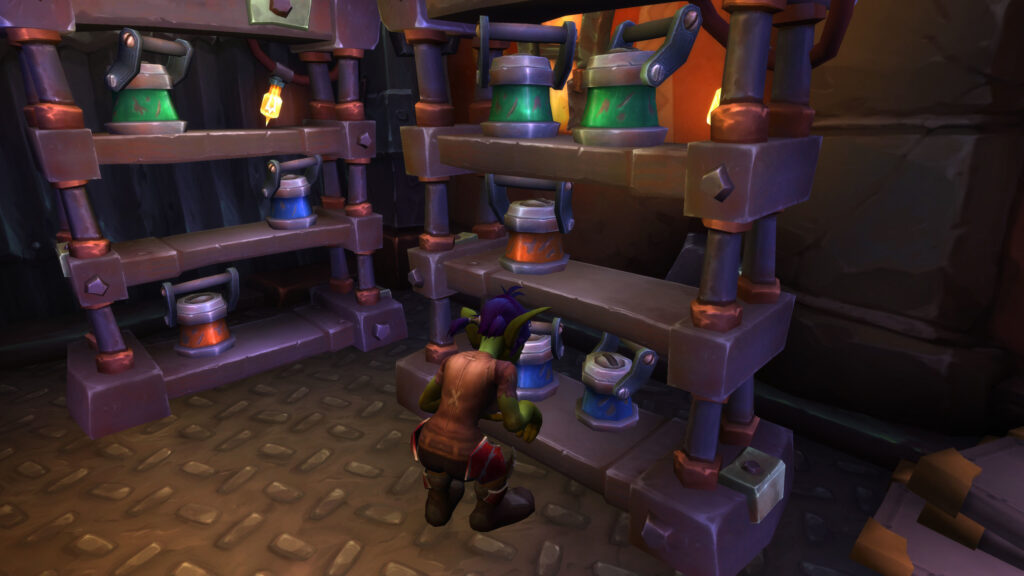
From raw materials to rare mounts, every listing represents a small-scale experiment in market behavior—proof that even virtual traders think like real-world economists.
Supply, Demand, and Player Psychology
Player-driven supply and demand govern the entire system. During expansion launches, resource scarcity causes inflation; as the market stabilizes, competition drives prices down. Players react instinctively to perceived opportunity—hoarding goods when prices rise and panic-selling when they fall.
This pattern mimics stock market dynamics. Emotions like greed, fear, and speculation shape outcomes just as much as logic and data.
The Role of Risk and Speculation
Risk is at the heart of the Auction House. Players invest time, gold, and inventory space on uncertain returns. Flipping items, predicting patch-driven demand, or stockpiling limited goods mirrors real-world trading behavior. The system rewards patience, knowledge, and adaptability—traits shared by successful investors everywhere.
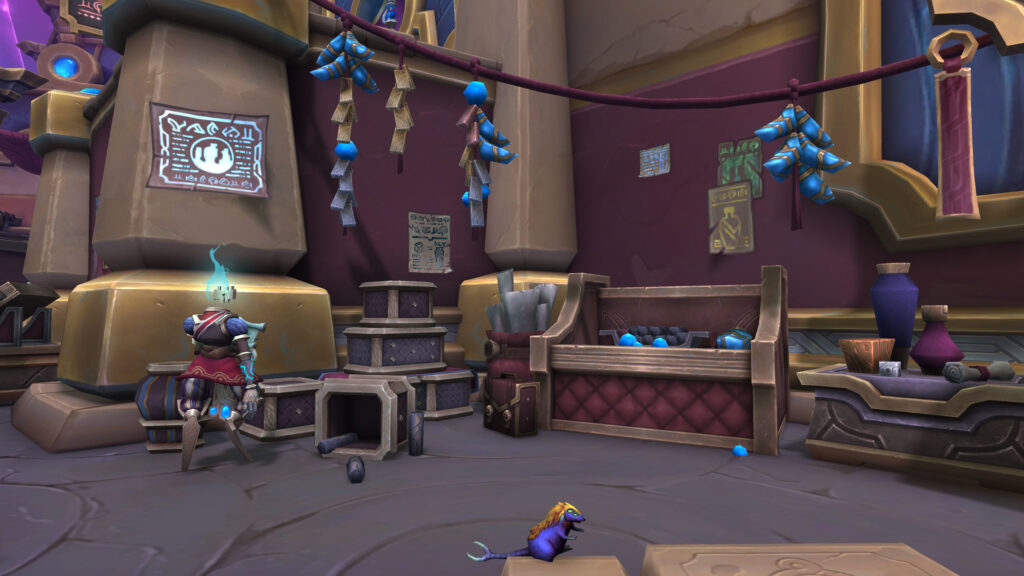
Blizzard’s decision to keep markets unpredictable preserves excitement and realism. Each transaction is a gamble that teaches economic intuition through play.
Market Manipulation and Economic Experimentation
WoW’s Auction House has been home to countless social experiments. Some players corner entire markets by buying out competition and relisting at higher prices—demonstrating monopoly strategies seen in actual financial systems. Others form cartels through guild cooperation, coordinating prices across servers.
While Blizzard intervenes occasionally to prevent abuse, these natural experiments showcase the emergent complexity of virtual economies.
| Economic Concept | In-Game Example | Real-World Equivalent |
|---|---|---|
| Supply and Demand | Ore price spikes after expansion launch | Commodity inflation |
| Speculation | Buying items before new raid tiers | Stock investment anticipation |
| Market Manipulation | Cartel guilds controlling rare herbs | Price fixing and monopoly behavior |
| Liquidity | Fast-moving goods like flasks and potions | High-frequency market trading |
The Human Element: Emotion and Impulse
Behind every trade lies emotion. Players experience excitement when they profit, frustration when markets crash, and obsession in pursuit of economic mastery. This emotional volatility mirrors real-world trading psychology—showing that even in games, human behavior follows predictable irrationality.
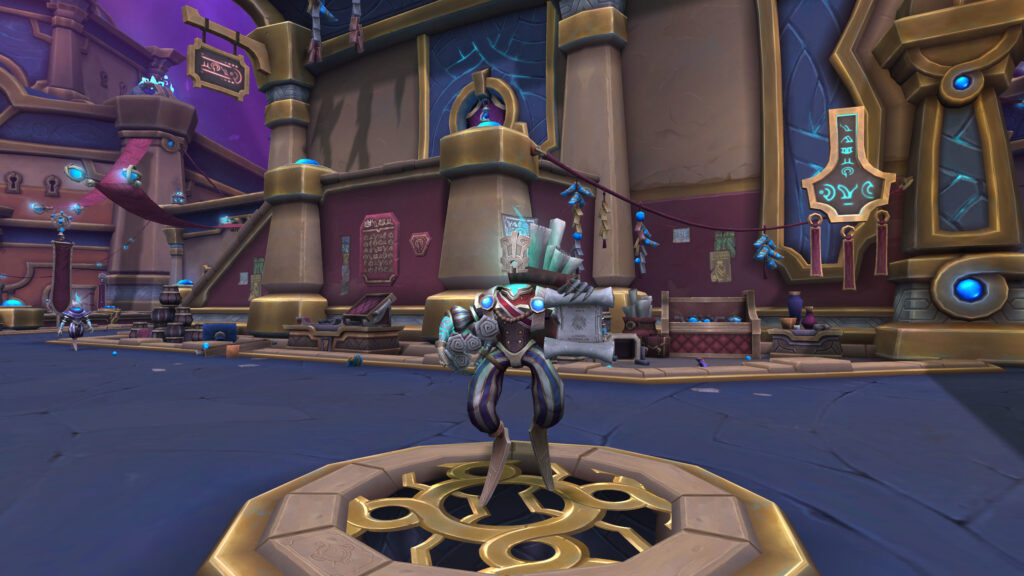
Some players become full-time traders, never setting foot in dungeons or raids, proving that economy itself can be its own form of gameplay and achievement.
Lessons in Economic Literacy
For many players, the Auction House serves as a practical introduction to economics. It teaches market timing, cost analysis, and risk management more effectively than theory ever could. Understanding supply cycles, predicting demand, and analyzing trends empower players with transferable real-world insights.
What begins as a hobby often evolves into strategic thinking—proof that even fantasy can educate through simulation.
Conclusion
WoW’s Auction House isn’t just a game feature—it’s an economic classroom. It distills global finance into accessible mechanics that reveal how people think, react, and take risks. By mirroring real-world behavior, it transforms trade into a story of ambition and consequence.
In Azeroth, as in life, the markets rise and fall—but those who understand them always come out ahead.