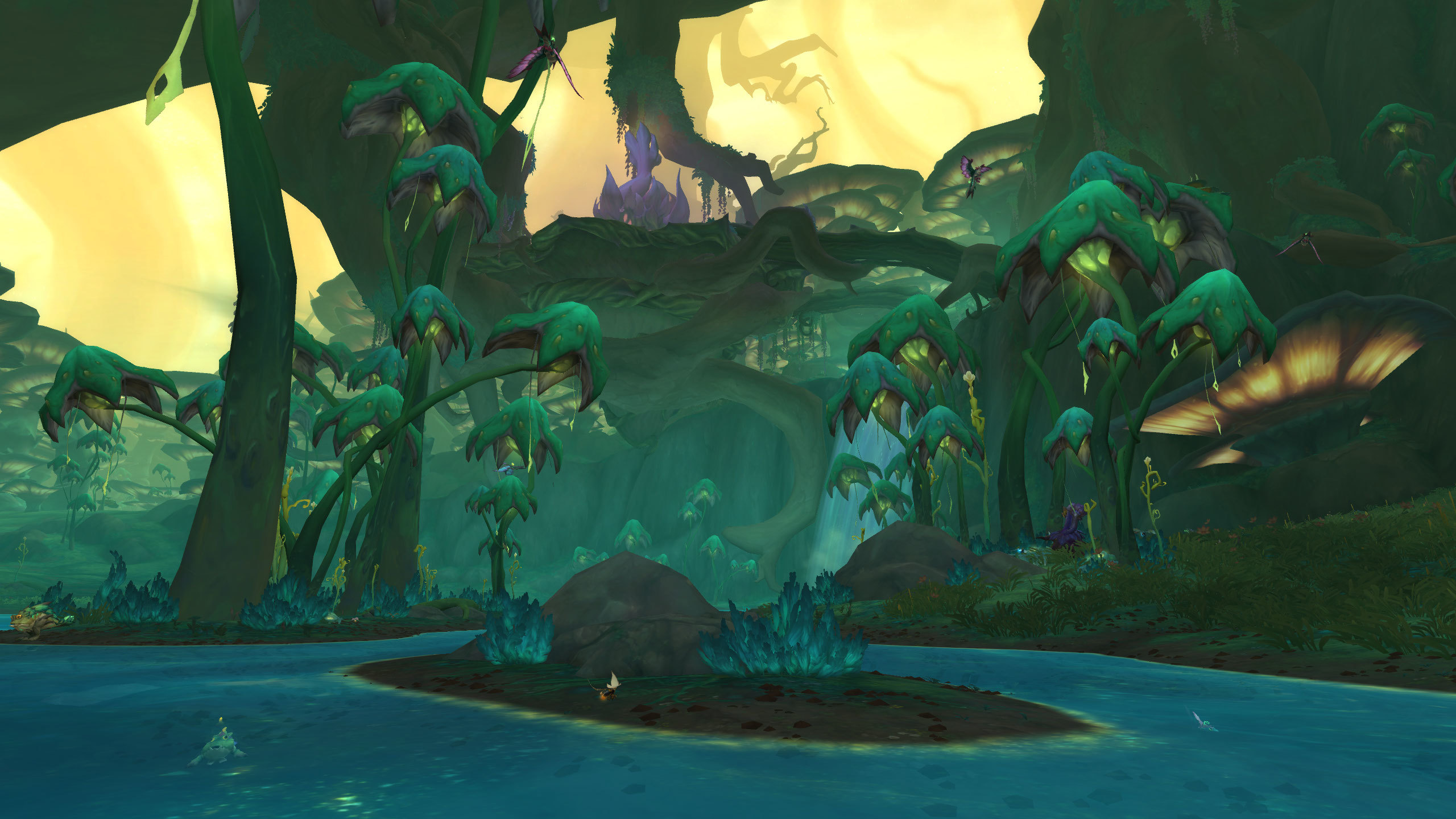

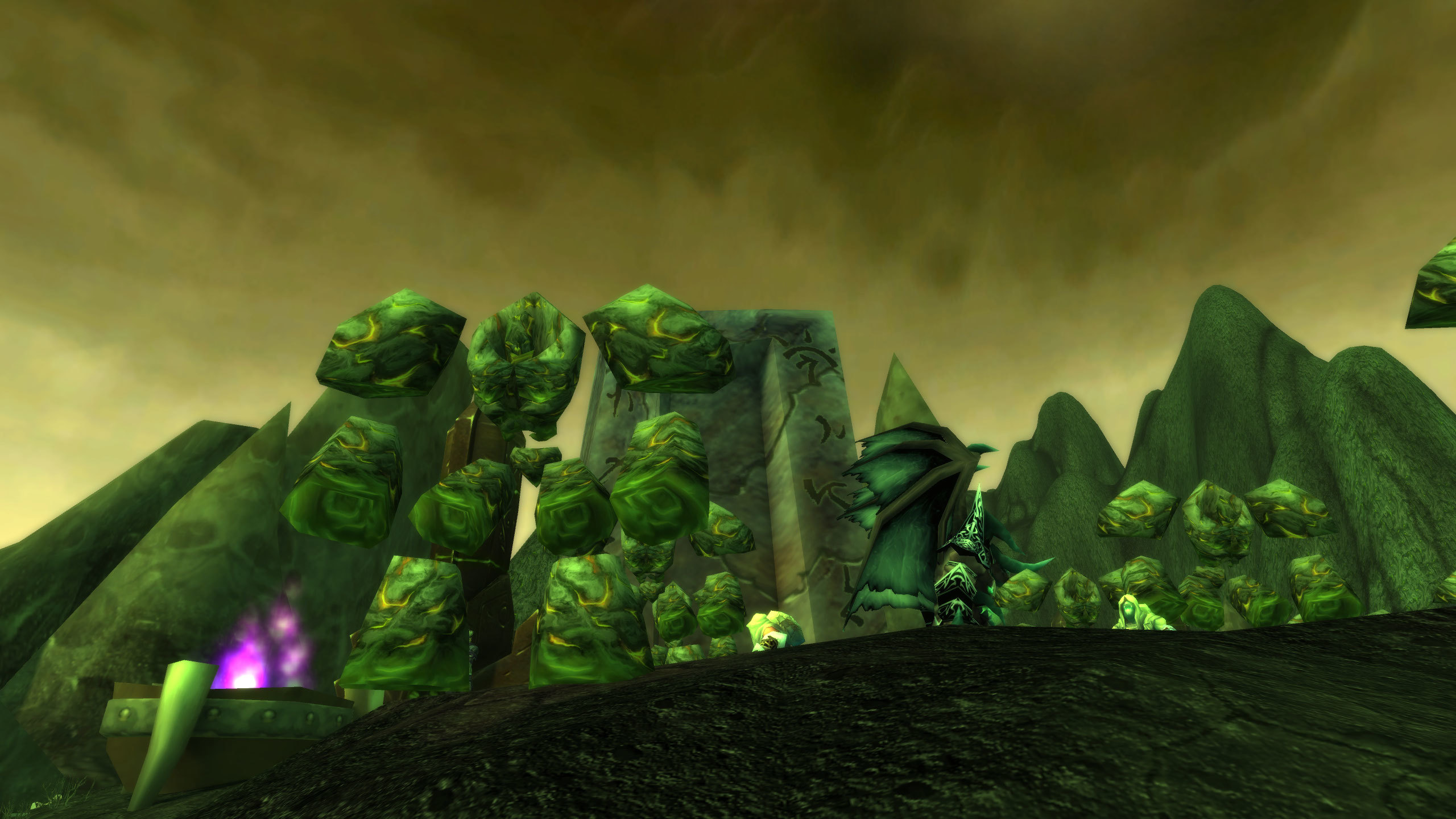
Before every expansion’s grand release, there’s a testing ground where passion meets discovery—the World of Warcraft beta. These beta phases have always been more than technical trials; they are snapshots of excitement, creativity, and community collaboration. Each one reveals how dedicated fans help Blizzard refine, reshape, and perfect the game’s future.
This article takes a deep dive into the history of WoW beta tests, exploring how they evolved, what they revealed, and how players themselves became part of the game’s development legacy.
The Birth of a Tradition: Classic Beta (2004)
The original WoW beta set the standard for MMO testing. Invites were rare, and participation felt like a sacred duty. Early testers reported bugs, suggested class balance changes, and helped shape fundamental systems like combat pacing and quest design. Their feedback directly influenced WoW’s polished launch, a rarity in an era of unstable MMO releases.
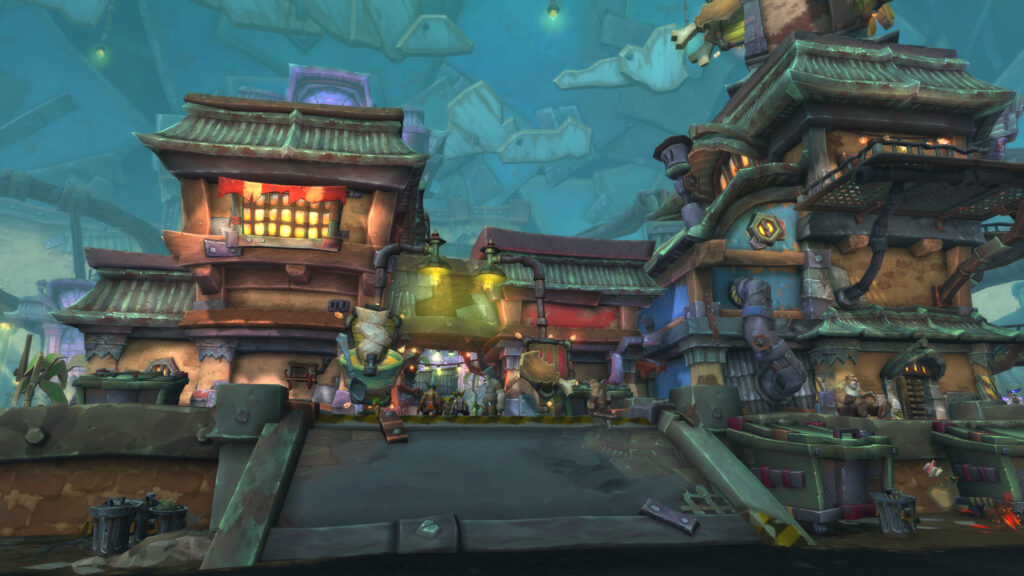
These pioneers established the relationship between developer and community—a collaboration that continues to define the franchise today.
The Expansion Era: Refinement Through Feedback
Each expansion’s beta phase reflected its time. The Burning Crusade focused on performance and stability as servers expanded into Outland. Wrath of the Lich King betas prioritized class balance and accessibility, inviting a broader testing pool to refine Blizzard’s new direction toward casual inclusivity.
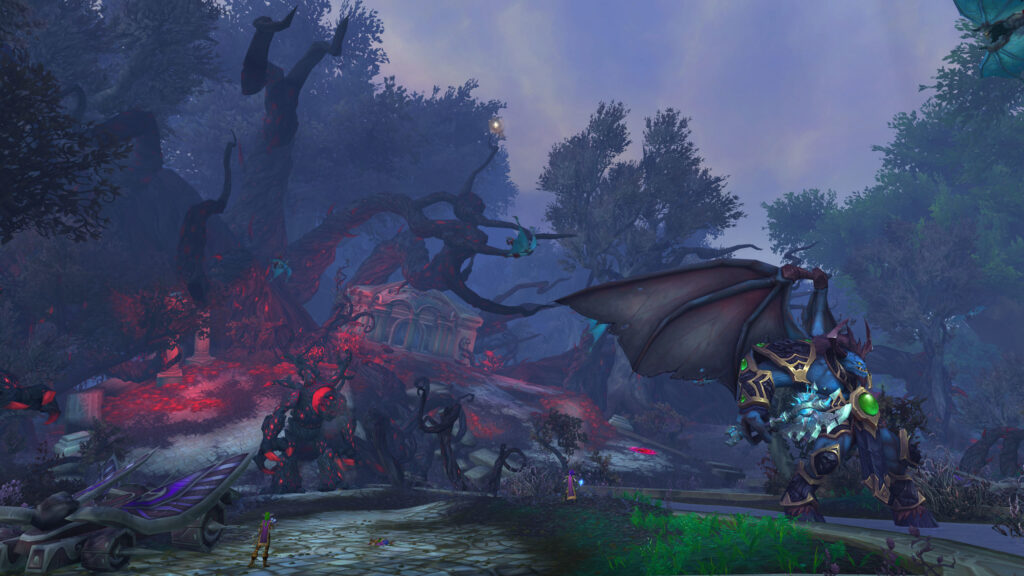
Meanwhile, Cataclysm rewrote Azeroth’s landscapes entirely, making its beta one of the most ambitious environmental overhauls ever tested in gaming history.
How Players Became Co-Developers
As beta access grew, players transitioned from testers to collaborators. Community leaders, theorycrafters, and content creators began publishing detailed reports and spreadsheets, analyzing mechanics with near-professional precision. Blizzard devs often responded directly to these findings, adjusting systems and even rewriting encounters in response.
The result was a participatory development model—fans weren’t just consuming the game; they were co-authoring its design.
Beta Testing as a Cultural Event
Over the years, beta access transformed into a cultural milestone. Getting an invite became a badge of honor, a sign of veteran status and trust. Entire communities formed around testing experiences—Discord groups, Reddit threads, and content streams turned beta participation into shared storytelling.
Every bug found, every stress test survived became part of collective memory, celebrated in memes, videos, and nostalgia long after launch day.
| Expansion | Testing Focus | Community Contribution |
|---|---|---|
| The Burning Crusade | Server scaling and performance | Hardware testing and optimization |
| Wrath of the Lich King | Class balance and UI feedback | Theorycrafting and community guides |
| Legion | Artifact weapon tuning | Spec analysis and raid testing |
| The War Within | Cross-character progression | Bug reporting and system refinement |
The Role of Streamers and Content Creators
Modern beta phases introduced a new dynamic—public visibility. Streamers and YouTubers turned testing into entertainment, giving millions early looks at zones, dungeons, and mechanics. Their reach amplified community feedback and often influenced Blizzard’s development priorities.

This visibility turned beta testing into marketing and feedback simultaneously—a unique symbiosis of player passion and developer intent.
Lessons Learned From Two Decades of Testing
Each beta leaves behind a legacy of improvement. Lessons learned from bugs, design flaws, or balance missteps shape future projects. Blizzard’s approach has shifted from secrecy to transparency, with public PTRs and feedback surveys ensuring every voice can matter.
Beta testing has become less about catching glitches and more about shaping the soul of the next adventure.
Conclusion
From the dusty plains of Classic to the complex systems of The War Within, WoW’s beta tests tell a story of collaboration, dedication, and passion. They are the unseen foundation of every polished expansion. Behind every smooth launch stands a legion of players who debugged, tested, and cared enough to make Azeroth better.
In the end, the betas prove one timeless truth: the greatest strength of World of Warcraft has always been its players.